




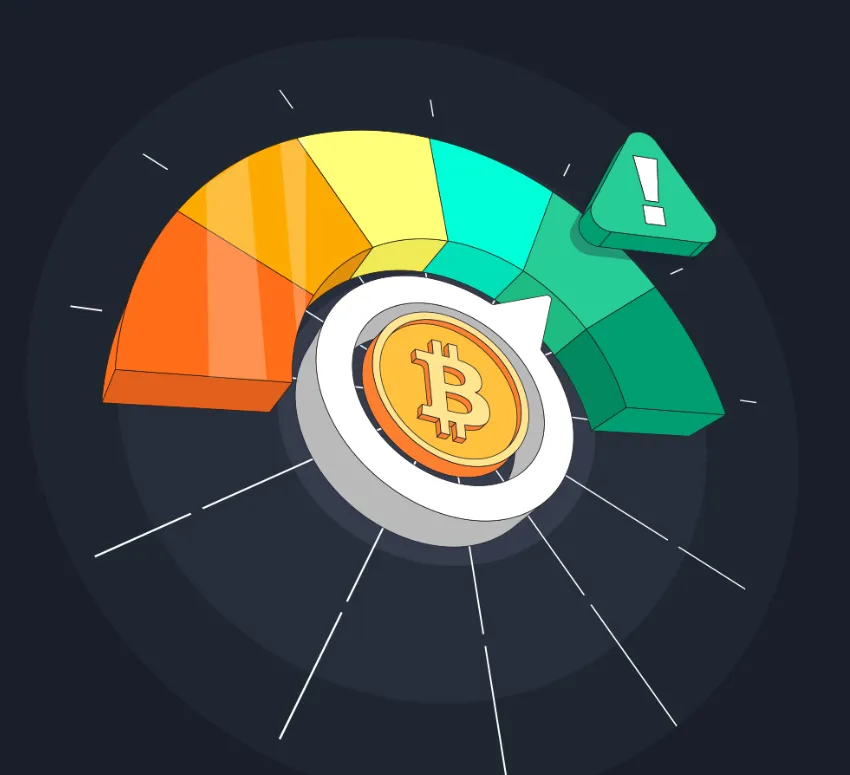
Crypto trading offers the potential for significant rewards, but it also comes with substantial risks. The volatility of the market makes it challenging to navigate without a solid risk management plan. In this post, we’ll explore what risk management in crypto trading entails, why it’s essential, and the strategies that can help you minimize potential losses.
What Is Risk Management in Crypto?
Risk management in crypto trading refers to the practices and strategies designed to reduce the potential for significant losses. Given the volatile nature of cryptocurrency markets, where prices can swing drastically in short periods, risk management helps traders make informed decisions that protect their investments. Key components of crypto risk management include setting stop-loss orders, diversifying assets, using security measures, and staying updated on market and regulatory changes.
Why Is Risk Management Crucial in Crypto Trading?
The crypto market is notoriously volatile, with prices often changing unpredictably. Unlike traditional financial markets, which are backed by institutions and regulations, crypto markets are largely driven by speculation, sentiment, and technological changes. Without a robust risk management strategy, traders risk significant losses, especially during market downturns or unexpected events like cyberattacks or regulatory changes.
Effective risk management allows traders to protect their assets, optimize trading strategies, and avoid making impulsive decisions based on market emotions. It helps transform the inherent volatility of crypto trading into a manageable factor for long-term growth and profitability.
Understanding Key Risks in Crypto Trading
Here are some of the primary risks traders face when engaging in crypto markets:
- Market Risk: Crypto prices can experience dramatic fluctuations in a short time due to factors such as market sentiment, news, or broader economic events.
- Liquidity Risk: When there is insufficient market activity, it can be difficult to buy or sell assets at desired prices, especially for smaller or less popular tokens.
- Cybersecurity Risk: Crypto exchanges and wallets are frequent targets for hacking attempts. Losses can occur if private keys or exchange platforms are compromised.
- Regulatory Risk: Changes in government regulations regarding cryptocurrency can significantly impact prices and trading activities.
- Operational Risk: Technical issues, such as system glitches or human error on trading platforms, can lead to missed opportunities or financial losses.
- Counterparty Risk: When trading peer-to-peer or using decentralized platforms, there’s always the risk that the counterparty may not fulfill their obligations.
- Currency Risk: The value of one cryptocurrency can fluctuate relative to others, potentially leading to losses when exchanging between them or converting to fiat.
- Fraud and Scam Risk: Given the lack of regulation in some areas, crypto markets are susceptible to fraudulent schemes and scams, including pump-and-dump schemes or fake ICOs.
- Psychological Risk: Emotional trading, driven by fear or greed, can result in poor decision-making, leading to financial setbacks.
- Technology Risk: Flaws in the technology underlying cryptocurrencies or smart contracts can result in disruptions or losses.
How to Analyze Risks in Crypto
To successfully manage risks, you need to evaluate them carefully. Here are key aspects to assess:
- Evaluate Market Volatility: Given that crypto markets are highly volatile, analyzing past price movements and volatility patterns can help you anticipate potential swings and adjust your trading strategy accordingly.
- Assess Liquidity Levels: Understanding the liquidity of a market helps you know how easily you can enter or exit trades without causing significant price shifts. Low liquidity can lead to price slippage.
- Monitor Regulatory Changes: Since crypto regulations are constantly evolving, staying updated on legal changes ensures you’re not caught off guard by sudden market shifts.
- Check Platform Security: Security protocols, such as two-factor authentication (2FA), are critical for protecting your assets. Always assess the security measures of the platform you’re using.
- Conduct Due Diligence: Thoroughly research any projects you plan to invest in. Look into the team, technology, roadmap, and community to ensure you’re not investing in a scam or unsustainable project.
Core Crypto Risk Management Strategies
Here are some key strategies that can help you minimize risks in crypto trading:
- Diversification: Spread your investments across various cryptocurrencies and sectors to reduce your exposure to any single asset’s risks. This can help you weather downturns in specific markets.
- Setting Stop-Loss and Take-Profit Orders: These orders automatically execute trades at predefined price points, helping you limit losses and lock in profits without emotional interference.
- Position Sizing: Carefully consider the size of each trade in relation to your overall portfolio and risk tolerance. This prevents overexposure to any single asset.
- Regular Portfolio Rebalancing: Crypto markets can shift quickly. Regularly rebalancing your portfolio ensures your investments align with your risk tolerance and long-term goals.
- Hedging Strategies: Using tools like options or futures contracts, you can hedge against potential losses in your portfolio. This can protect you from adverse price movements while still maintaining the opportunity for gains.
- Security Measures: Always prioritize security by using hardware wallets for cold storage, enabling 2FA, and ensuring your software is up-to-date to protect against hacks.
- Risk-Reward Analysis: Evaluate each trade based on its potential reward versus the risk involved. A good risk-reward ratio ensures you’re not risking too much for too little return, making your trading decisions more rational.
- Staying Informed: Keeping up-to-date with news, trends, and technological developments in the crypto space will help you make informed decisions and adapt to changing market conditions.
Common Risk Management Mistakes in Crypto
Even experienced traders can make mistakes. Here are some of the most common errors in crypto trading:
- Neglecting Stop-Loss Orders: Failing to set stop-loss orders exposes you to unnecessary risks. Without them, you may face significant losses during volatile market swings.
- Overtrading: Trading too frequently, often driven by emotional impulses, increases exposure to risk and can lead to significant losses.
- Ignoring Diversification: Relying too much on a single asset leaves you vulnerable to drastic price movements. Diversification helps mitigate this risk.
- Skipping Research: Entering trades without proper research can result in poor decisions and investments in high-risk or fraudulent projects.
- Overleveraging: Using leverage can magnify both profits and losses. Overleveraging your position increases the risk of liquidation if the market moves against you.
- Emotional Trading: Letting emotions like fear or greed drive your decisions can lead to impulsive trades and losses. Sticking to a solid strategy is key to success.
- Ignoring Security Protocols: Not securing your assets properly exposes you to cyberattacks. Use strong passwords, enable 2FA, and store assets in secure wallets to prevent theft.
- No Clear Risk-Reward Strategy: Trading without a clear strategy can lead to irrational decisions. Define your risk-reward ratio before entering a trade.
- Chasing Losses: Trying to recover losses by doubling down or using high-risk strategies can lead to even bigger losses. It’s crucial to stick to your risk management strategy.
Conclusion
In the fast-paced and volatile world of crypto trading, having a robust risk management strategy is essential. By diversifying your portfolio, setting stop-loss orders, conducting thorough research, and implementing security protocols, you can mitigate risks and protect your investments. Avoiding common mistakes like overtrading and emotional decision-making will help you maintain a steady hand in the market, ensuring long-term success in crypto trading.